Only one triumphal procession is clearly described in historical sources as beginning at the Hebdomon—the triumph of Emperor Basil I. However, it is highly likely that the Hebdomon also served as the starting point for other great triumphs. These probably included the victory processions of Theodosius the Great, Heraclius, Constantine Copronymus, John Tzimiskes, and Basil II, and possibly even that of Michael Palaiologos.
The importance of the Hebdomon for such ceremonies is easy to understand. Its wide open plain, its proximity to the capital, and its close connection with imperial palaces and military camps made it an ideal place for assembling large crowds and organizing ceremonial marches. As a space associated with both the army and the court, it naturally became a stage for imperial triumphs Bulgaria Tour.
The Gathering for the Triumph of Basil I
On the occasion of the triumph granted to Basil I, the celebration began with a remarkable public gathering. The Senate, together with an immense crowd representing every social class in Constantinople, went out from the city to the Hebdomon. The people carried wreaths of roses and other flowers, turning the plain into a scene of color and festivity.
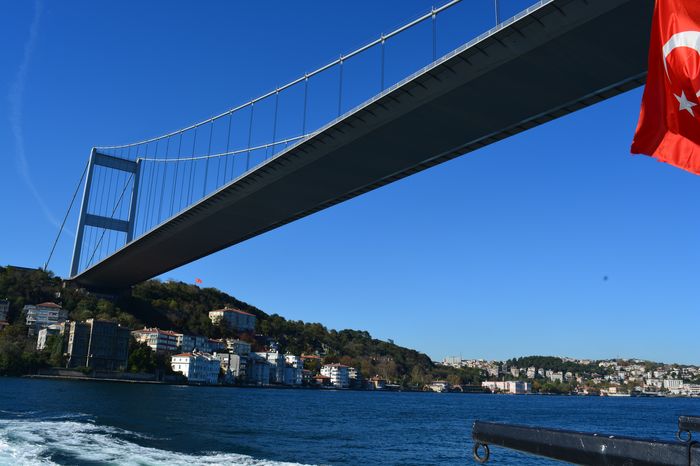
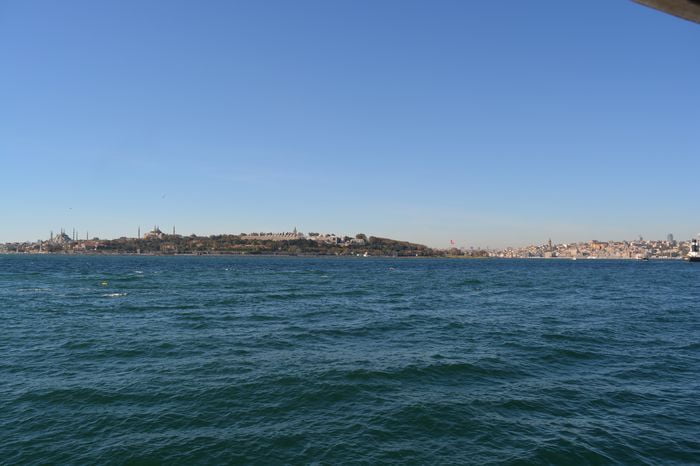
The emperor approached the suburb after crossing from the palace at Hiereia, located at modern Fenerbahçe, on the Asiatic side of the Bosporus. When Basil arrived, the Senate and the people greeted him with the customary formal salutations, expressing both respect and joy at his return as a victorious ruler.
Prayer at the Church of St. John the Baptist
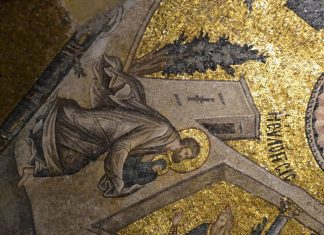
After receiving the welcome of the crowd, Basil I proceeded to the Church of St. John the Baptist, the principal sanctuary of the Hebdomon. This act emphasized the religious character of a Byzantine triumph. Victory was not seen as a purely human achievement, but as a blessing granted by God.
In the church, the emperor prayed and lit tapers at the sacred shrine, giving thanks for his success and asking for continued divine favor. Only after completing this religious duty did he prepare for the ceremonial march into the city Homage of the State Dignitaries.
The Procession Toward the Golden Gate
Having finished his prayers, Basil put on his scaramangion triblation, a richly decorated imperial garment reserved for ceremonial occasions. He then mounted his horse, accompanied by his son Constantine, who rode beside him.
The procession now moved toward the Golden Gate, the traditional entrance for triumphal entries into Constantinople. The Senate and the people led the way, while banners waved high in the air, adding to the splendor of the scene. Music, acclamations, and the sheer size of the crowd made the march a powerful display of imperial authority and popular enthusiasm.
A Sacred Pause Before Entering the City
Before reaching the Golden Gate, the procession made a short halt at the Monastery of the Abramiti, which stood between the Hebdomon and the city walls. Here, Basil entered the Church of the Theotokos Acheiropoietos, dedicated to the Virgin Mary “not made by human hands.”
Once again, the emperor paused to offer prayers, reinforcing the close bond between imperial power and religious devotion. Only after this final act of worship did the procession resume its march.
Entry into the Jubilant Capital
At last, the triumphal procession passed through the Golden Gate and entered Constantinople. The capital received its emperor with joy and celebration. Streets were filled with cheering citizens, and the city echoed with praise for the victorious ruler. Thus, the triumph of Basil I, beginning at the Hebdomon, ended in the heart of the jubilant imperial city.