The great church built by Emperor Justinian the Great over the tomb of St John the Theologian was designed in the form of a cross. This cruciform plan was both symbolic and practical. It reflected Christian beliefs about salvation through the Cross and also followed an architectural tradition used for important martyr shrines. The main body of the church, known as the nave, consisted of four large sections, called bays. Each bay was covered with a dome, giving the interior a strong vertical emphasis and a sense of sacred space.
These domes rested on marble columns and strong brick buttresses that were faced with marble slabs. This combination of brick and marble was typical of early Byzantine architecture. It provided both strength and beauty. The building probably included galleries above the aisles, which may have been used by women, pilgrims, or choirs during services Borovets Bulgaria Tours.
The Tomb of St John and the Altar
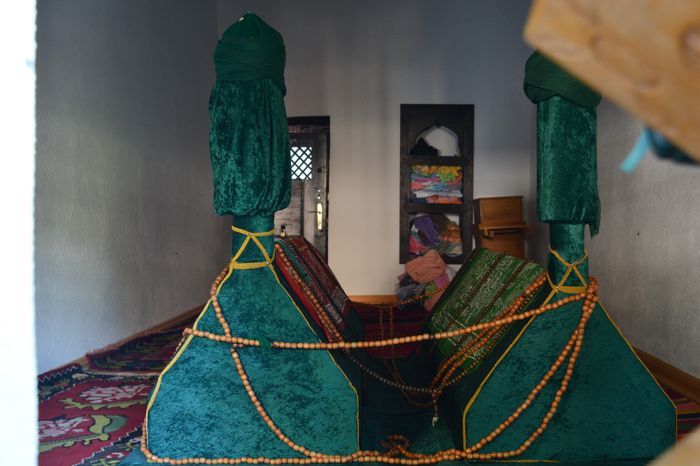
Under the third dome of the church lay the Tomb of St John. This was the spiritual heart of the entire building. Worshippers reached the tomb by descending a flight of steps, emphasizing the sense of entering a sacred and holy place. Directly above the tomb stood the altar, symbolizing the close connection between the apostle’s resting place and the Christian Eucharist. This arrangement showed that St John was not only remembered as a historical figure but honored as a living presence within the worship of the church.
The capitals of the marble columns were richly carved and bore the monograms of Emperor Justinian and his wife, Empress Theodora. These monograms served as clear signs of imperial patronage and reminded visitors that the church was built with the full support of the Byzantine state.
Building Materials and Decoration
Much of the building material used for the church came from older monuments in Ephesus. Stones and columns were taken from the ruins of a large basilica that once stood in the upper agora and was probably destroyed by an earthquake around the year 500. Additional materials came from the ruins of the Temple of Artemis, which stood below the hill. This reuse of pagan and civic buildings for a Christian church symbolized the triumph of Christianity over earlier religions The Dedicatory Cross and Early Byzantine Decoration.
The floor of the church was covered with geometric mosaics, while the walls and domes were richly decorated with mosaics and frescoes. These artworks depicted scenes from both the Old and New Testaments, helping worshippers understand biblical stories visually, especially at a time when many people could not read.
Baptistry, Bishop’s Court, and Water Supply
On the north side of the church stood a large octagonal baptistry. It contained steps that allowed for total immersion during baptism, similar to the baptistry of the Church of the Virgin, also known as the Double Church. Next to the baptistry was a rectangular room called the secreton. This room served as a place where the bishop acted as a judge, settling legal and ecclesiastical disputes.
To support the growing settlement on the hill, an aqueduct was constructed to bring fresh water from a spring located about ten kilometers to the east. This engineering achievement shows how important the site had become.
Fortification and Later History
During the Arab raids of the seventh and eighth centuries, the hill was surrounded by defensive walls and became part of a larger fortress built on the summit. Because of the insecurity of the times, people began to settle on the hill around the church. Despite these defenses, the hill and its monuments were attacked and damaged during invasions. Afterward, many of the buildings were repaired. The exonarthex, an outer entrance hall, was probably added during this later period to strengthen and expand the church complex.
Even in decline, the Church of St John remained a powerful symbol of faith, imperial devotion, and the long Christian history of Ephesus.